I Got My Driver's License in Malaysia
I Got My Driver’s License in Malaysia
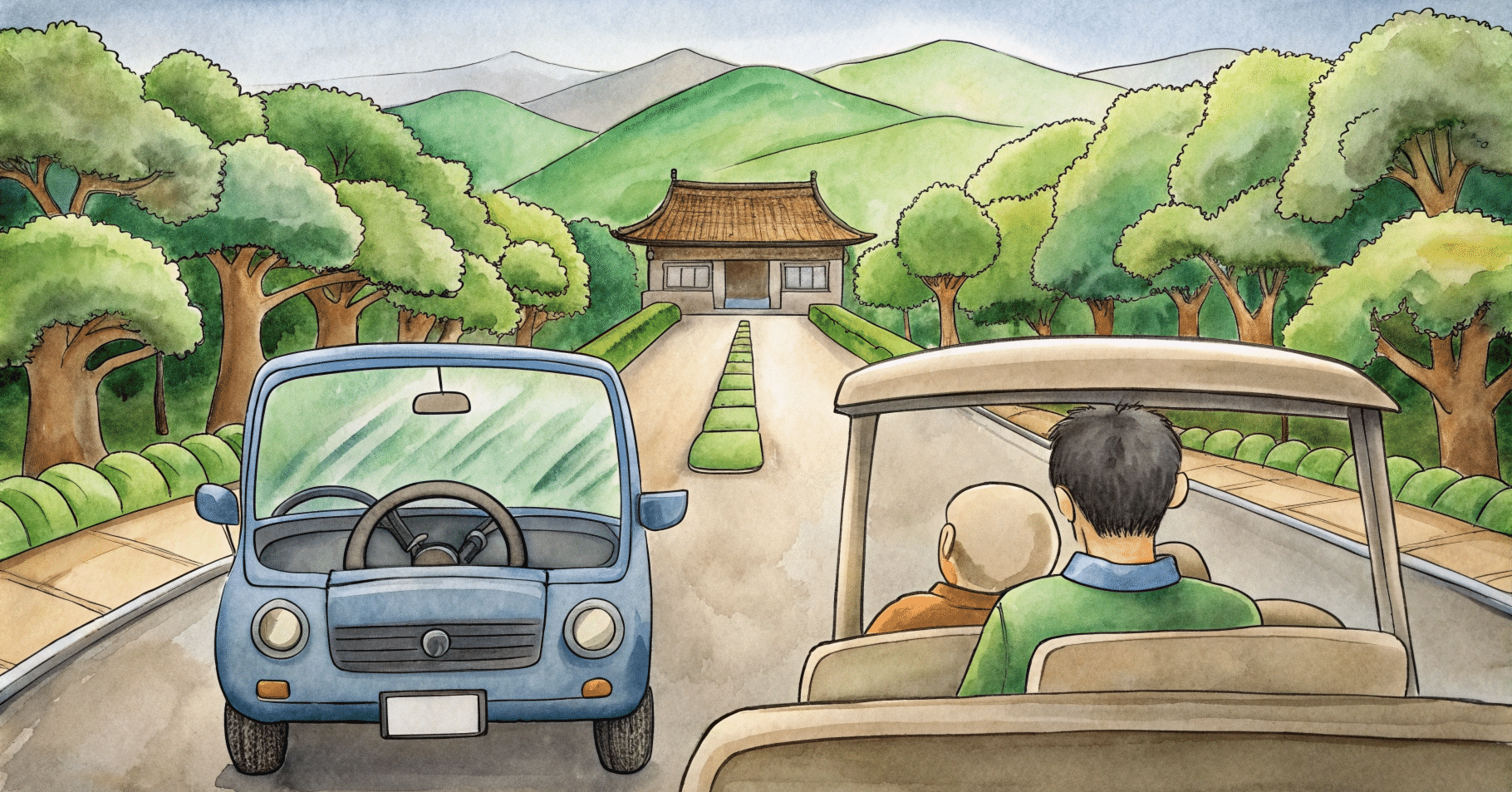
Hi. I’m Soumame, 17 years old. The other day (well, some time ago), I was able to get a driver’s license in Malaysia, so I’ll write down how I got it here. First off, in Malaysia you can get a standard driver’s license from age 17, so please read this with that in mind.
A friend of mine asked about how to get a license in Malaysia, so I’m summarizing my personal impressions and experiences.
Application
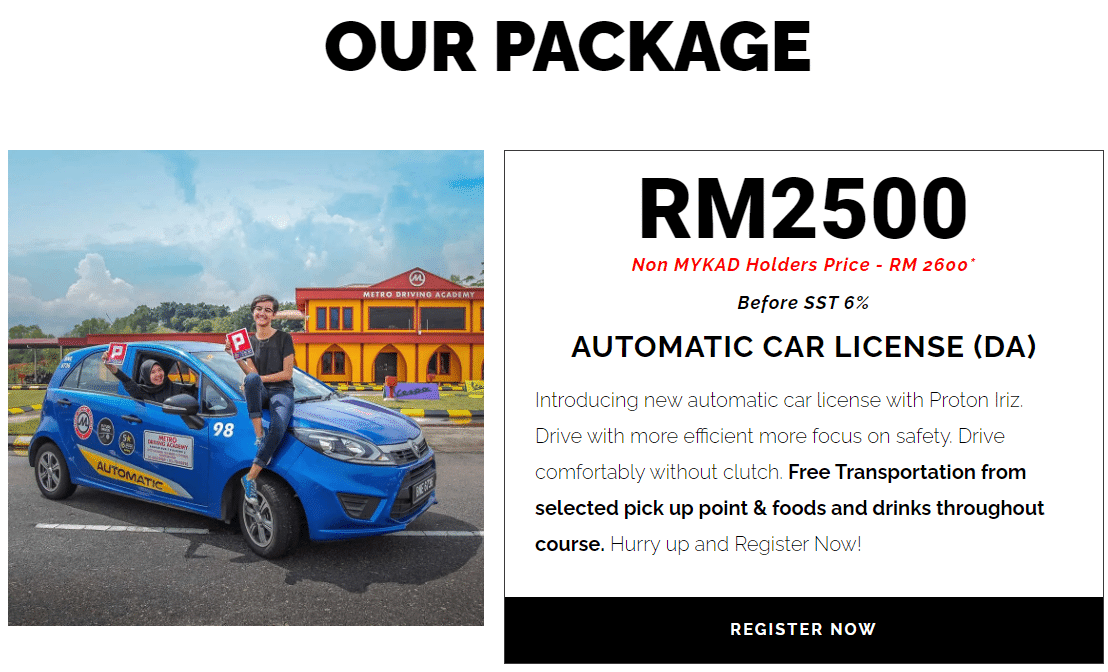
First you need to decide which driving school to learn at. I chose Metro Driving Academy (https://metrodriving.com.my/en/) — it was recommended by an acquaintance so I didn’t think much about it, but it was nice that classes were offered in English. I recommend checking whether classes are available in English by contacting the school or checking their website.
What I needed
Basically a passport was enough, but since I had to transfer money from the bank, having a bank account is useful. The place I went to accepted a payment method called JOMPAY. Keep a receipt after payment to prove you paid.
They said it could take about three months depending on how crowded it is, so they will check your passport validity and visa validity. If your documents are clearly too short in validity you might be refused.
Signing up
I applied through the website and after a while got a WhatsApp message. I signed up for automatic (DA). Some schools only offer automatic-only courses, so check that. At the school I attended, everything was handled via WhatsApp, which made things quite easy. If they ask about payment, you can just send the receipt. After applying you’ll be scheduled for the classroom lessons on available dates, but the schools are generally busy so you might wait a fair amount. Popular places can have a month-long wait. As typical in Malaysia, allow extra time — especially if you’re studying abroad.
The fee was RM2500. From friends I heard that’s relatively expensive; some cheaper places offer RM800. For me it seemed reasonable, and it included things like a retest package, so I thought it was fine.
Also, just between us, a few of my friends paid some extra money (amount withheld) and managed to pass the tests that way. I’m a serious person who
doesn’t have moneylikes to prove myself properly, so of course I didn’t spend a cent on that.
Day 1: In-class lessons at the driving school
First, classroom lessons! I went to the driving school for lessons. The class was about four hours and then it was over. What?
Content
Compared to Japan the content is very simple. A textbook was given as a PDF beforehand, so it’s good to read that. The lessons cover road signs, overtaking rules, common basic rules, the KEJARA system (the demerit point system), routines for checking around the car, names of parts inside the car, and so on — a fairly packed lesson. It felt like so much was crammed in that some important things might be missing, so the course seemed more like test preparation than deeply learning about traffic itself. I’m skeptical whether that’s really ideal — you might have a painful experience when you return to Japan, so be careful.
There are three stages of tests, KPP01, 02, and 03, and after that you take the JPJ test (a practical exam by the Road Transport Department) to finish. They said “KPP01 is the classroom lesson you’re taking now, KPP02 is the 6-hour in-school practical training, and KPP03 is 10 hours of on-road training.” Wait — a total of 16 hours? Never mind that question — in Malaysia you can get a license in about 20 hours total.
A few notes: foreigners must carry their passport for every lesson, and when taking tests at the driving school you need to wear a collared shirt. It’s a proper lesson and test, so they want you dressed accordingly. (That said, as long as it has a collar they really didn’t care much about the rest.)
Day 2: The test
After the classroom lesson you take a computer test. You need to book it through the driving school, so I asked them on WhatsApp and they scheduled it. I was told to go to a MyEG office in Puchong, where I took the test. If you pass the computer test there, you’ll be issued a learner’s permit at that point. They took the photo for the learner’s permit on the spot, but the driving school told me “bring a white-background photo!” so some offices may require one. (They’re surprisingly casual about that.)
Test prep
The computer test starts with things like color vision and literacy(?) checks, then moves on to questions about cars, roads, and traffic.
The content is mostly fixed and there are about 8 or 9 different patterns. One of those patterns is chosen for your test and there are 50 questions. Even if your English isn’t great, you can memorize the questions and reflexively answer them because the system is pretty lax. If you memorise the material you should be fine. The driving school recommended using a study app like the one below. If you repeatedly practice with this app you’ll be fine. The app is available in English and the computer test can be taken in English, so it shouldn’t be too hard.
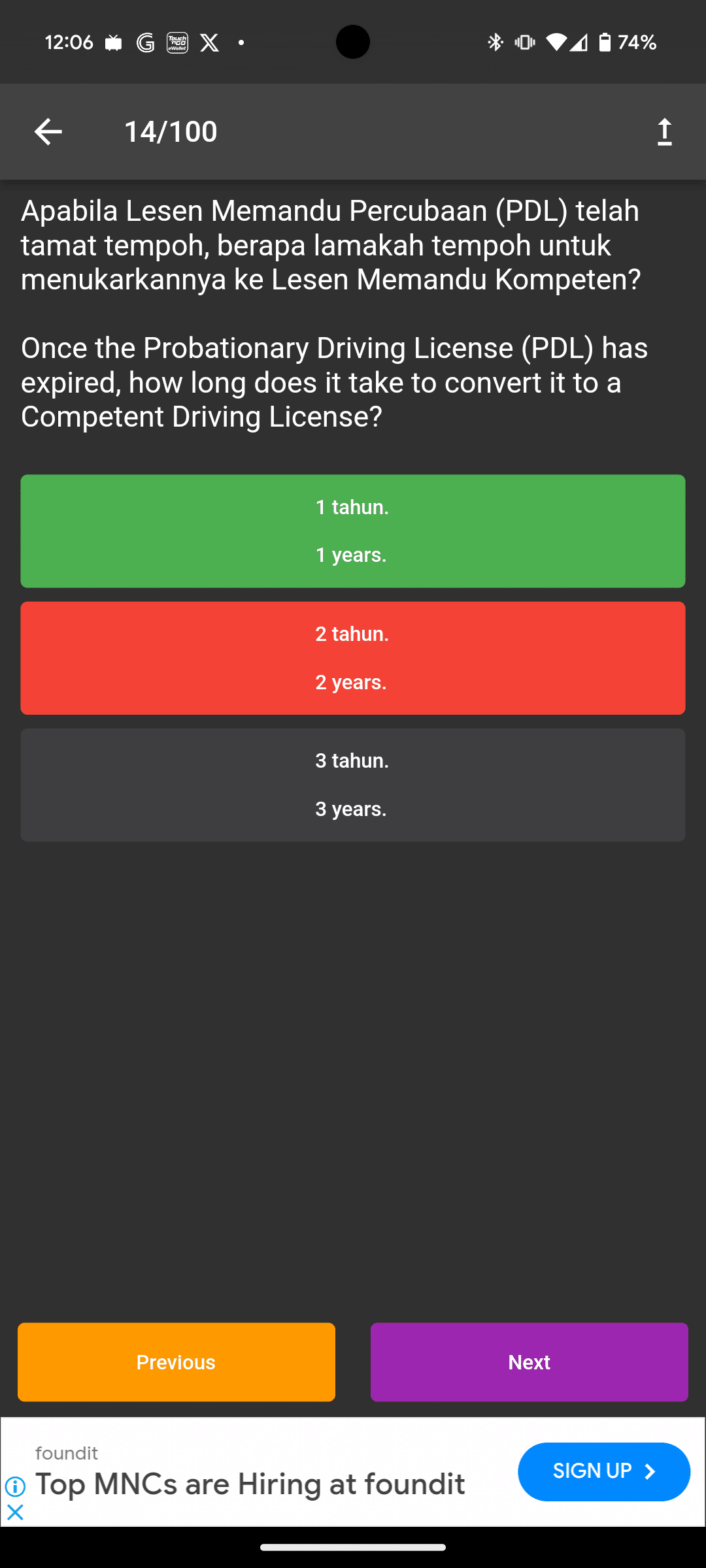
This is how you tap through the quizzes.
App Store

Google Play

I failed!
So I half-heartedly did only half the app drills and went to take the test, and I failed. Even though the law was changed in 2024, some questions were about point deductions for drunk driving based on the pre-amendment 2015 rules, so I got unlucky and those outdated questions appeared. The computer test content is old and slightly out of sync with the textbook, and unfortunately that question came up. That wouldn’t happen in Japan, but that’s Malaysia for you: even if the law changes, the test questions don’t always update. This was obviously because I didn’t properly use the app (ry)
Day 3: Retest after failing
So, I composed myself and went for a retest. Depending on the driving school, you might have a retest package — at mine they included up to three free retests (do people fail that much?). I told the school “I failed! (sweat)” and they rebooked me. It was fairly open so the retest was in about a week.
Passed! Learner’s permit issued!
I studied properly and passed the computer test, and they issued my learner’s permit. It was processed right there at the office. At the office I went to they also took a photo, but that might vary by location.
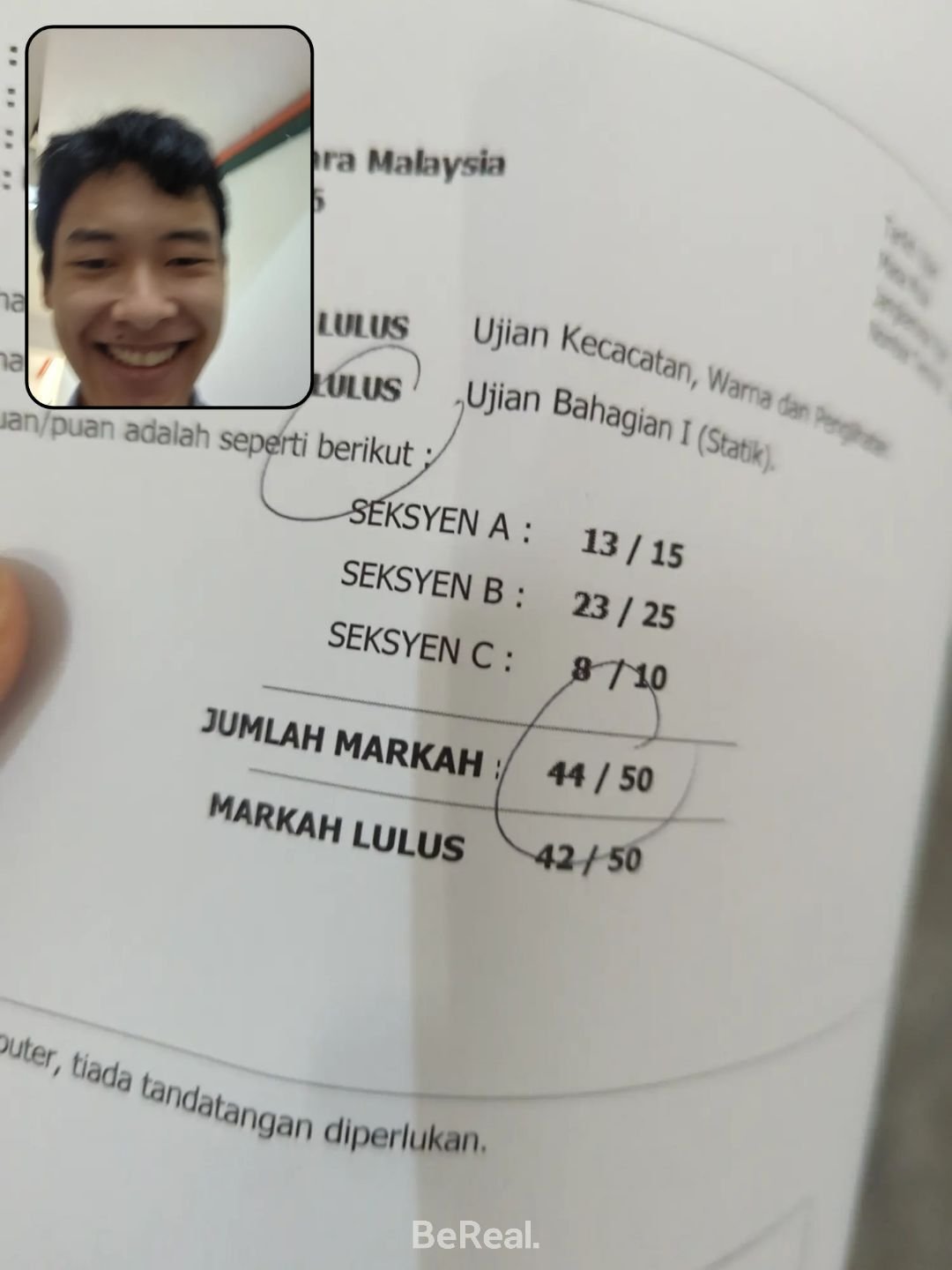
LULUS! (means “pass” in Malay. Yay.)
After the learner’s permit is issued
After getting the learner’s permit, tell the driving school you passed and book your lessons. You don’t need to go to the driving school before your first practical lesson.
Days 4–5: On-site practice
The first two days of practical lessons are on the school’s grounds. My driving school had a dedicated area where we practiced. Aside from a traffic light that was broken (or just turned off), it was the same as driving schools in Japan.
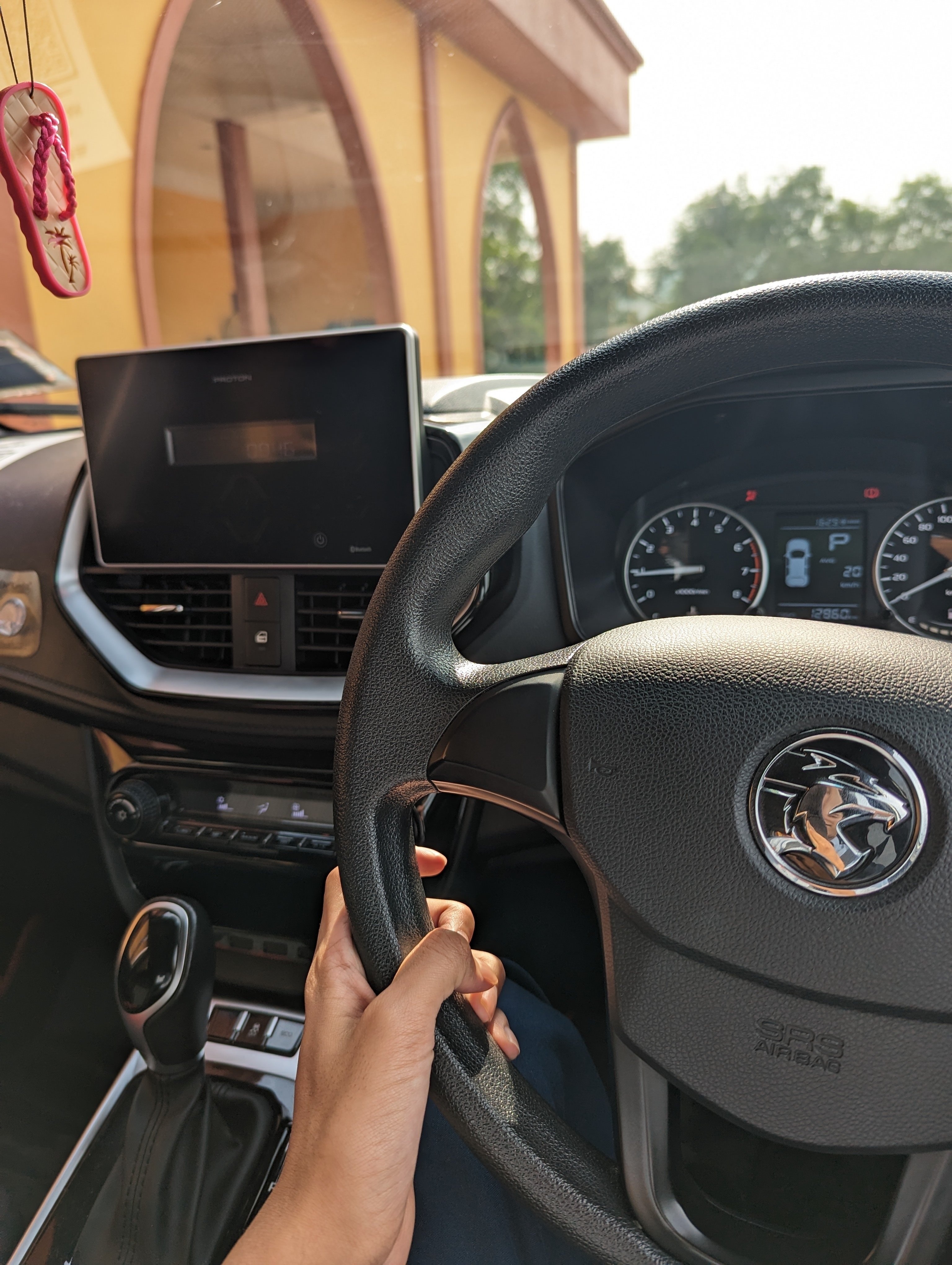
The vehicle was a Proton. Maybe new? (photo taken while parked)
Have you driven before?
When you arrive they ask if you have driven before. What does that mean? I hadn’t done anything. There’s no data that unlicensed driving is “normal” in Malaysia… right? Hmm… 🙄
(They say if you answer that you have driven, you might go straight to on-road practice, or maybe not — who knows.)
First, check around the car
So I went to the school and, to my surprise, they took me to the car with no explanation. That four-hour classroom lesson was the first and last in-class lecture.
You are taught the vehicle checks as if memorizing a poem. This check is required in the JPJ test later, so they run it exactly like the exam. It starts with introducing yourself to the examiner (reading the learner’s permit card), then checking the Road Tax, wipers, engine compartment, and walking all the way around the car to check for anything unusual. By the way, the car I was given had its Road Tax expire a few days earlier. When I asked about it I was just ignored — what was that about…
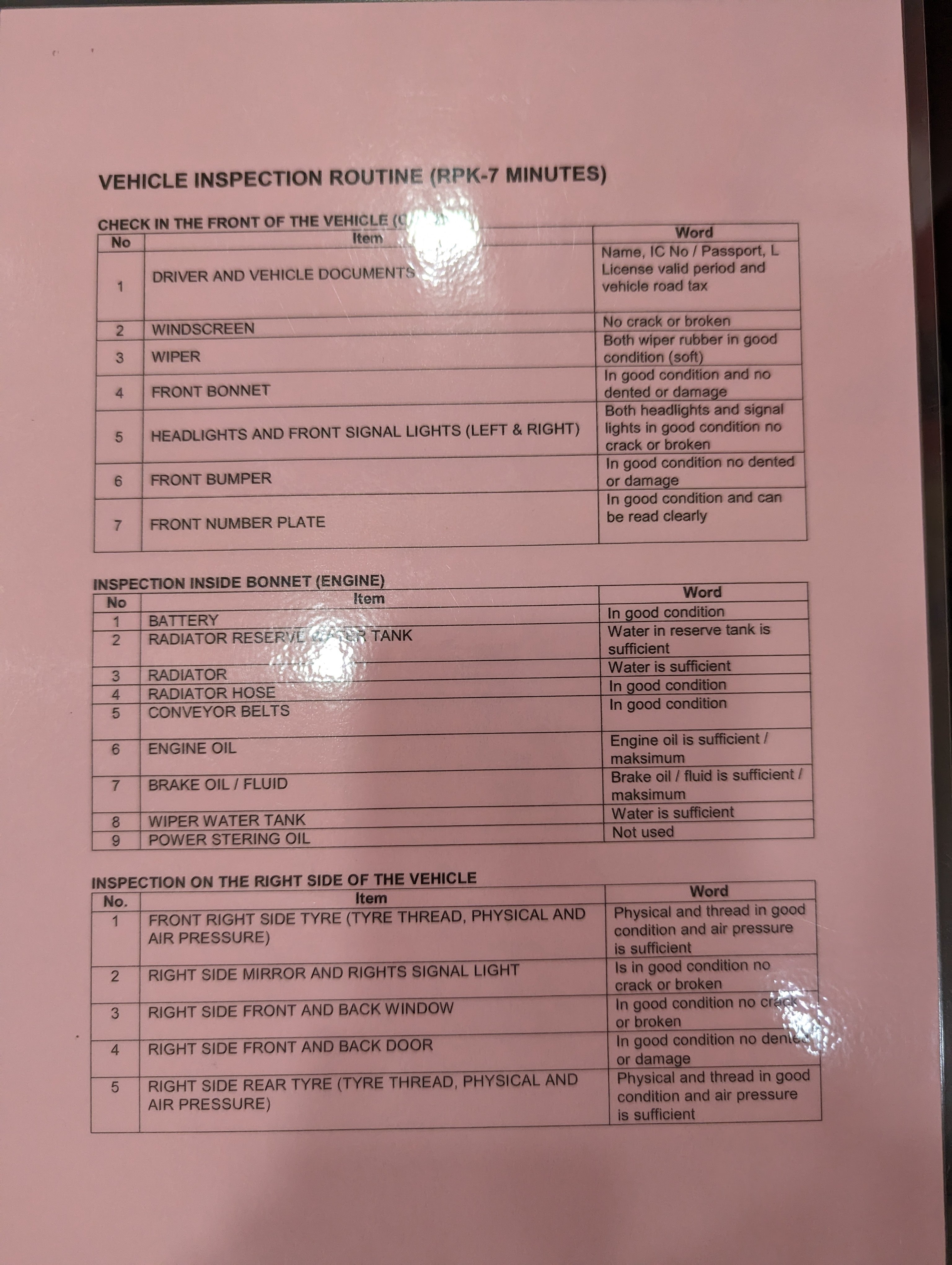
They taught the check items in English like this.
Now, driving the car
The steering wheel is on the right like in Japan, so driving felt fairly familiar. Most rules are similar to Japan, so it’s relatively easy to understand.
The main difference is the roundabout — they make you practice roundabouts thoroughly. Slow down before entering, signal in the correct order, and exit — that’s about it.
That said, Malaysian roundabouts seem to be dealt with by sheer willpower, so maybe you don’t need to memorize everything perfectly. S-curves and the like weren’t very narrow, so they weren’t difficult. This is probably thanks to years of playing the truck driving simulator “Euro Truck Simulator 2” (just kidding).
Days 6–7: Practice on the road!
Here’s where the real challenge starts. Amazingly, in Malaysia you go out on the road after only two days of practice. The practice hours are far fewer than in Japan, so drive carefully.
Roads are wider so it’s relatively reassuring
Still, Malaysian roads are generally wider and easier to drive than in Japan, so depending on the school’s location you can probably drive without being overly tense.
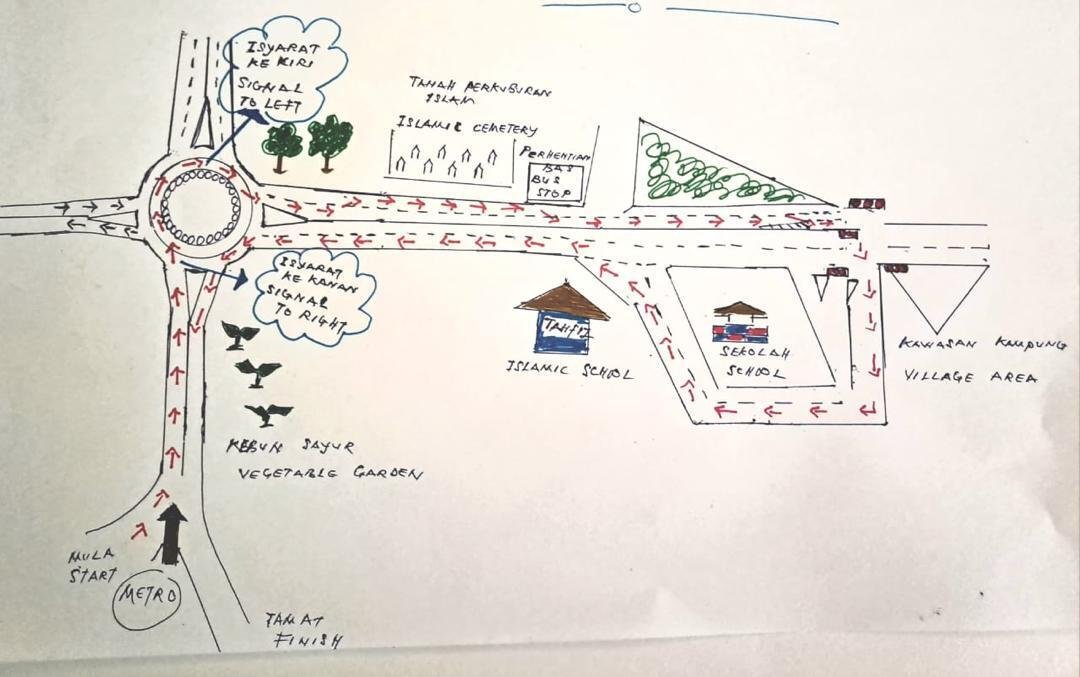
A hand-drawn map they sent me on WhatsApp. Cute.
Other cars are too fast
Other cars clearly exceed the speed limit, but during lessons and tests you must always obey the speed limit. No matter how much pressure comes from behind, ignore it. Otherwise you’ll fail the test.
Motorcycles cutting in through gaps, pedestrians ignoring crosswalks
It’s common for motorcycles to suddenly cut in from the side in Malaysia. Also, people don’t necessarily think they must cross at crosswalks, so pedestrians might step out suddenly. As in Japan, always be aware that something could happen while driving.
Day 8: JPJ Test (Final Exam)
After only a few days of lessons the final exam day arrived. I was honestly pretty nervous…
The test starts early in the morning
The final exam starts early. My group’s start time was 8:00 AM, so I aimed to arrive around 7:45 just in case. Even so, many examinees were there and there was a line to get your exam number, so you might want to arrive even earlier.
The test was in Malay
Since the lessons had been in English, I assumed the test would be too. But the JPJ examiners who came into the waiting room announced in English to everyone, “We will do this in Malay, not English!” (Could you have at least explained a bit in English… lol)
Still, the exam content is the same as what we learned in English, and most examiners can speak English somewhat, so if you notice your number being called in Malay you can ask someone nearby or the examiner for clarification. People are helpful.
Shortage of examiners?
There were so many examinees that during the vehicle inspection part of the test they lined up five or six examinees’ cars and one examiner would just look at them. So it felt like if you did a casual point-and-check you’d probably pass. (But do it properly.)
Because urban test centers have many examinees this might be the way it goes. I arrived early, but since they process people by exam number, I still waited quite a while until my turn.
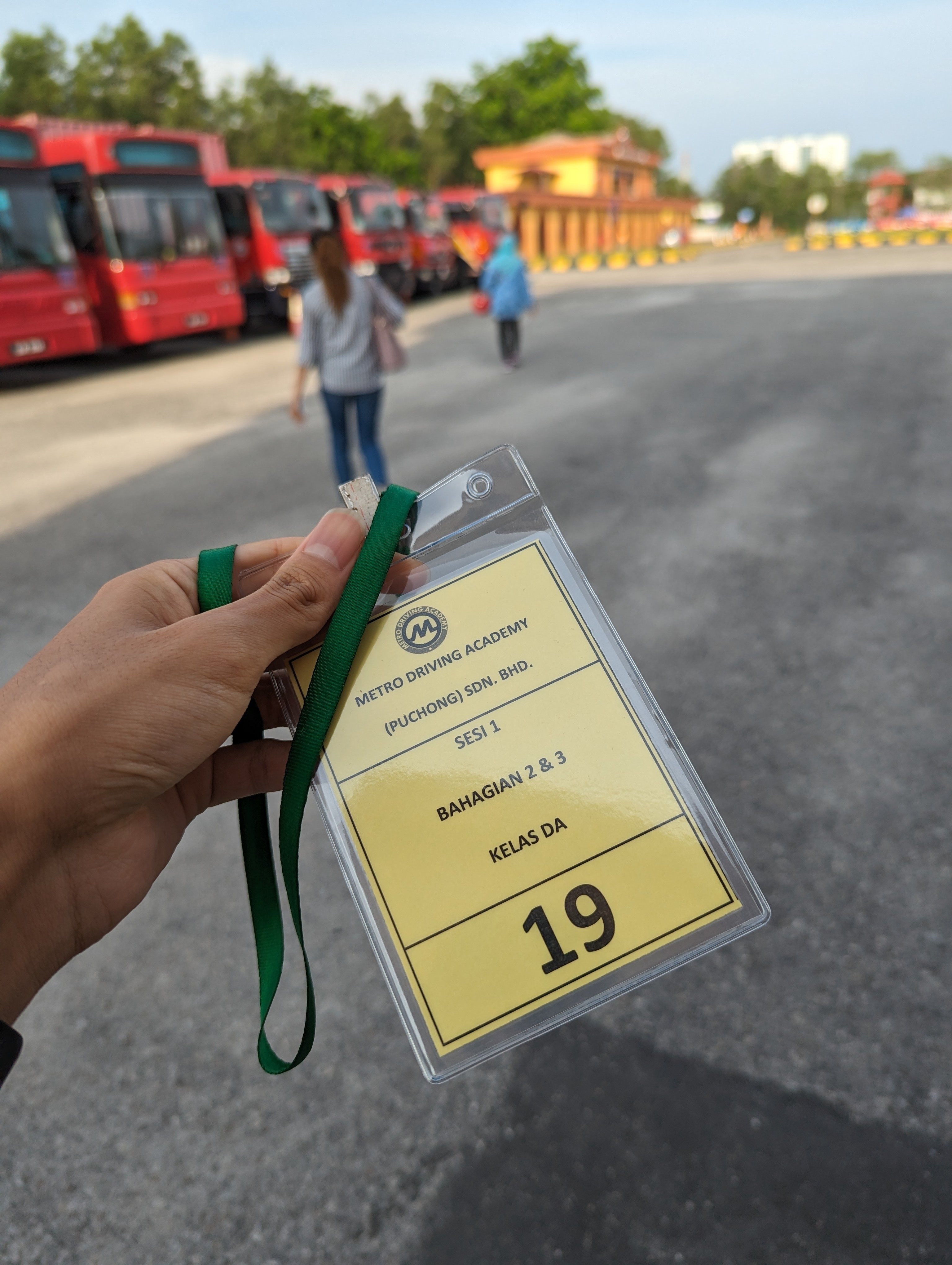
Receiving the exam number
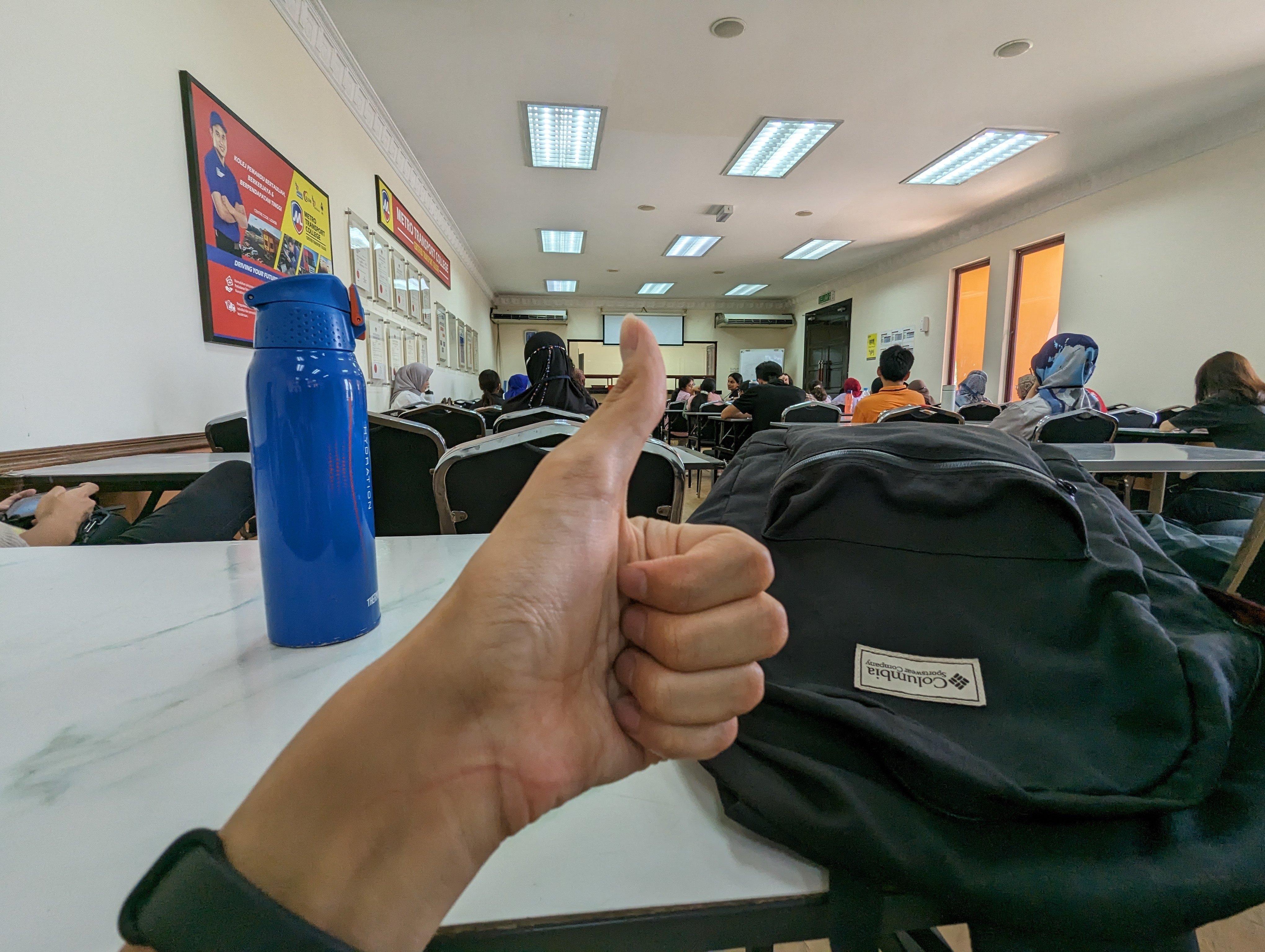
Waiting in the room for my turn.
Cars going out of control
Even though everyone in the test had taken lessons, many people still failed because practice time was insufficient. In one test for mounting a curb, someone floored the accelerator and blew the pole away — the car ran out of control — so it’s truly a wild place. Japan and Malaysia both have pros and cons: Japan has more content to learn before the test and tricky written questions, but both systems have their good and bad points.
Driving with an examiner in the passenger seat!
If you pass the on-site checks you then drive with an examiner in the passenger seat. The driving just follows the course you practiced, so it’s not too hard. But even on a familiar course a motorcycle might suddenly appear or trucks might be parked oddly, so be careful or you’ll lose points. I lost points because a truck was parked at the exit of an intersection and I didn’t come to a complete stop before avoiding it. Be careful.
That said, I passed the driving test on the first try. After passing I received the result, the learner’s permit, and P stickers (beginner plates/stickers to place on the rear and all around the vehicle).
Day 9: License issuance
As mentioned earlier, after passing you receive the result and by taking that result to JPJ you can get your license issued.
Notes for issuance
The issuing location is a JPJ office, and there are a few things to watch out for. First, check the office location and waiting times. Only JPJ offices handle issuance — kiosks (small offices) may not. I heard from friends that some places will issue the license on your behalf for a fee, so you can ask about that. (I’m not an expert on this part, so ask the driving school.)
In my case, since I was still a high school student during an exam year and didn’t have much time on weekdays, my mother who was in Malaysia with me obtained it on my behalf. You need the applicant’s passport, the proxy’s passport (in this case my mother’s), and the test result.
Payment methods are limited to certain Malaysian credit cards etc., so Japanese cards might not work.
Bonus: Trying out driving a car
I got the license, so I wanted to practice driving right away — but I didn’t have a car. So I rented one.
Renting a GoCar
At 17 there aren’t many rental companies that will rent to you, but GoCar had plenty of pickup points and allowed rentals for those 17 and older.
Renting was straightforward: open the app, choose the time, pick a plan (insurance limits), make a reservation, then go to the pickup location at the appointed time and take the car.
The car wasn’t very clean, but it was fine for practicing and short drives. Since I wasn’t used to driving yet I practiced on local roads and parking lots. Practicing things the driving school doesn’t teach much helps you improve quite a bit.
That said, the pickup points were a 15-minute walk from my home, and when I picked up the car the tank was almost empty so I had to go to a petrol station (fuel is cheap so no big deal), so renting for a short time wasn’t very cost-effective for me. If you plan to stay in Malaysia for several years after getting your license, buying a car might be better.
There are many services like this in Malaysia; other companies like SOCAR offer similar services for those 18 and older, so compare options. Some services have their own age requirements and age-based pricing, so check carefully.
Conclusion
So that’s a rough summary and my impressions of getting a license in Malaysia. How was it? The process is much simpler than in Japan, and trying different manners and approaches in another country was fun. By the way, to convert this license in Japan you’ll have to take the foreign license conversion exam. If I return to Japan I’ll write about that too!
0 people clapped 0 times
Related articles
💩 Looking Back Only at the Failures of 2024!
Looking Back Only at the Failures of 2024!
Looking Back Only at the Failures of 2024!
🤖 [ATO2] List of the Most Important Early-Game Cities (Updating)
[ATO2] List of the Most Important Early-Game Cities (Updating)
I created a list of cities you should secure in the early game. Please take a look if you'd like....
🤖 What's VCE — the curriculum offered in Victoria, Australia?
What's VCE — the curriculum offered in Victoria, Australia?
I'm a high school student currently in Year 11, and I've been attending Peninsula International...